Neck Treatment

Soften horizontal 'necklace' lines on the neck — refined, superficial, conservative.

Neck Treatment

Duration

60 min

From

£280

Treatment Summary

Hyaluronic-acid filler for horizontal neck lines — sometimes called 'necklace lines' or 'tech-neck' — softens deep static creases that develop with age, posture and prolonged screen use. The neck is one of the most technique-sensitive areas we treat: the skin is thin, the area moves constantly, and only soft HA placed superficially in small volumes is appropriate. Often combined with skin-quality treatments such as polynucleotides or Profhilo. Fully reversible with hyaluronidase.

Also known as: neck filler London · necklace lines treatment · tech neck filler · horizontal neck lines · neck wrinkle filler

Key Benefits

Softens Static Neck Lines

Refines the appearance of horizontal creases on the neck without overfilling.

Refined Superficial Placement

Soft HA placed in tiny aliquots beneath the line — never deep, never large volumes.

Combines with Skin-Quality Treatment

Often paired with polynucleotides or Profhilo for the surrounding neck skin.

Reversible & Regulated

MHRA-regulated HA filler, fully dissolvable with hyaluronidase if required.

A technique-sensitive area we treat with restraint

Horizontal neck lines — sometimes called necklace lines or "tech-neck" — are one of the most under-recognised and over-treated areas in aesthetics. Many clinics inject the neck like the face, with high volumes and deep placement, and produce results that are visibly lumpy, irregular and unnatural.

At Aesthetic Clinique we treat the neck conservatively, in selected candidates, with realistic expectations. The neck is not the face: the skin is thinner, the underlying platysma muscle is superficial, and the area moves constantly. Only small volumes of soft HA placed superficially along the specific line are appropriate — and for many clients, skin-quality treatment is the right first step instead.

Why we often recommend skin-quality treatment first

For clients whose primary concern is overall neck-skin quality — the crepey texture, lack of hydration, fine surface lining and thinning that affects the whole neck rather than one specific deep line — Profhilo or polynucleotides are usually a better starting point than filler. These treatments improve hydration, support collagen, and refresh the skin globally without the technical risk of placing filler in thin neck skin.

We discuss the alternatives explicitly in consultation. If skin-quality treatment is the right first step, that is what we will recommend.

When direct line treatment is appropriate

Direct neck filler still has a role for clients with specific, deep, static horizontal lines that persist when the neck is at rest, when neck-skin quality is otherwise reasonable, and when expectations are realistic. The technique is microdroplet placement of soft HA filler superficially beneath each line, in very small total volumes — typically 1ml or less across the entire neck.

What this treatment cannot do

Neck filler cannot:

  • Eliminate every line — partial softening is the realistic goal
  • Address significant neck-skin laxity (the loose-skin appearance), which is a separate problem requiring skin-tightening or surgical assessment
  • Compensate for ongoing screen-down posture or sun damage — both will recreate lines

We will be honest about expected results in consultation rather than overselling.

On the day at Aesthetic Clinique

A 40-minute appointment includes line mapping, numbing, and superficial microdroplet placement using fine needles. Treatment itself takes 10–15 minutes. Mild bruising, small surface bumps and tenderness for 24–72 hours are normal and settle as the product hydrates.

Longevity and combinations

Neck filler typically lasts 6–9 months. Most clients combine with Profhilo or polynucleotides for the surrounding neck-skin quality, which extends the visible refresh meaningfully and addresses the broader neck-skin pattern. Daily SPF on the neck — frequently overlooked — is the single biggest factor in extending results.

What to Expect

  1. 1

    Suitability Assessment

    We assess line depth, neck-skin quality, posture and likely response. Very deep lines or significant skin laxity may need different treatment, and we will say so.

  2. 2

    Plan: Filler vs Skin Quality

    For clients whose primary problem is overall neck-skin quality, polynucleotides or Profhilo is usually the first step. For specific deep lines, careful filler placement is added.

  3. 3

    Microdroplet Placement

    Soft, low-G' HA filler is placed superficially along each line in tiny aliquots — typically 1ml or less in total across the neck.

  4. 4

    Two-Week Review

    We assess settling and surface smoothness. Top-ups are very rarely added, and only if a line is genuinely under-treated.

Suitability

Aesthetic care is highly individual. The points below are general guidance — final suitability for neck treatment is always confirmed in your consultation.

Often suitable for

  • Static horizontal lines visible at rest as well as on movement
  • Clients combining with polynucleotides or Profhilo for skin-quality work
  • Clients with reasonable neck-skin thickness and quality
  • Mild to moderate creasing — deeper or wider lines may need staged treatment

May not be suitable if

  • Very thin, sun-damaged neck skin where filler shows through
  • Significant neck-skin laxity that needs surgical or skin-tightening assessment
  • Clients who continue extensive screen-down posture without adjustment
  • Pregnancy or breastfeeding
  • Active skin condition over the neck area

Aftercare

Caring for your results

A few simple steps in the first 24–48 hours help your results settle as expected.

  • Avoid touching, pressing or massaging the neck for 48 hours
  • Skip strenuous exercise, alcohol and saunas for 24–48 hours
  • Sleep on your back for the first two nights — pillow pressure can displace recent filler
  • Avoid jewellery and high-collar clothing on the treated area for 24 hours
  • Mild bruising and small surface bumps for up to a week are normal
  • Use mineral SPF on the neck — sun exposure shortens results meaningfully

Treatment Areas

  • Neck
  • Necklace Lines

We use only MHRA-regulated, hyaluronic-acid fillers — soft, low-G' HA products specifically suited to superficial placement on the thin neck skin. HA filler is fully reversible with hyaluronidase. The neck is a technique-sensitive area and not all aesthetic clinics treat it; we treat it conservatively, in selected candidates, with realistic expectations of partial improvement.

Frequently Asked Questions

Why do horizontal lines appear on the neck?

A combination of repeated neck flexion (now substantially worsened by prolonged smartphone and screen-down posture), age-related collagen loss in thin neck skin, sun damage, and genetic skin pattern. The lines often appear earlier than other facial signs of ageing because neck skin is thinner and frequently un-protected from sun.

Will neck filler get rid of all my neck lines?

No, and we wouldn't aim for that. The realistic goal is meaningful softening of specific deep lines. Complete elimination would require excessive volume in thin skin and is not technically achievable without unnatural results. Set expectations of partial improvement.

How much filler does the neck need?

Very small volumes — typically 1ml or less in total across the entire neck, distributed across multiple lines. The neck is not an area for high-volume treatment. We dose conservatively in the first session and very rarely top up.

How long does it last?

Neck filler typically lasts 6–9 months. The area moves constantly and the skin is thin, so longevity is at the shorter end of HA filler ranges. Daily SPF and good neck-skin care meaningfully extend results.

Should I have Profhilo or polynucleotides instead?

Often, yes — especially as a first treatment. Profhilo and polynucleotides improve overall neck-skin quality, hydration and texture rather than treating specific lines. For clients whose primary concern is general neck-skin quality, these are the right first step. We will tell you in consultation which is the better starting point.

Can the neck be treated with deep filler like the face?

No, and clinics that treat the neck like the face produce poor results. Neck skin is thin, the platysma muscle is superficial, and large or deep volumes of filler in this area produce visible lumps, irregular contour and discomfort. Only small volumes of soft HA placed superficially along the line itself are appropriate.

Is the treatment painful?

Most clients tolerate it well. Topical numbing is applied, the filler contains lidocaine, and we use fine needles in tiny aliquots. The neck is more sensitive than the face but well tolerated by almost all clients.

Explore the Category

More Aesthetic Injectables and Facial Contouring treatments

Browse other services available in aesthetic injectables and facial contouring. A consultation will help determine which option, if any, is appropriate for you.

Ready to take the next step?

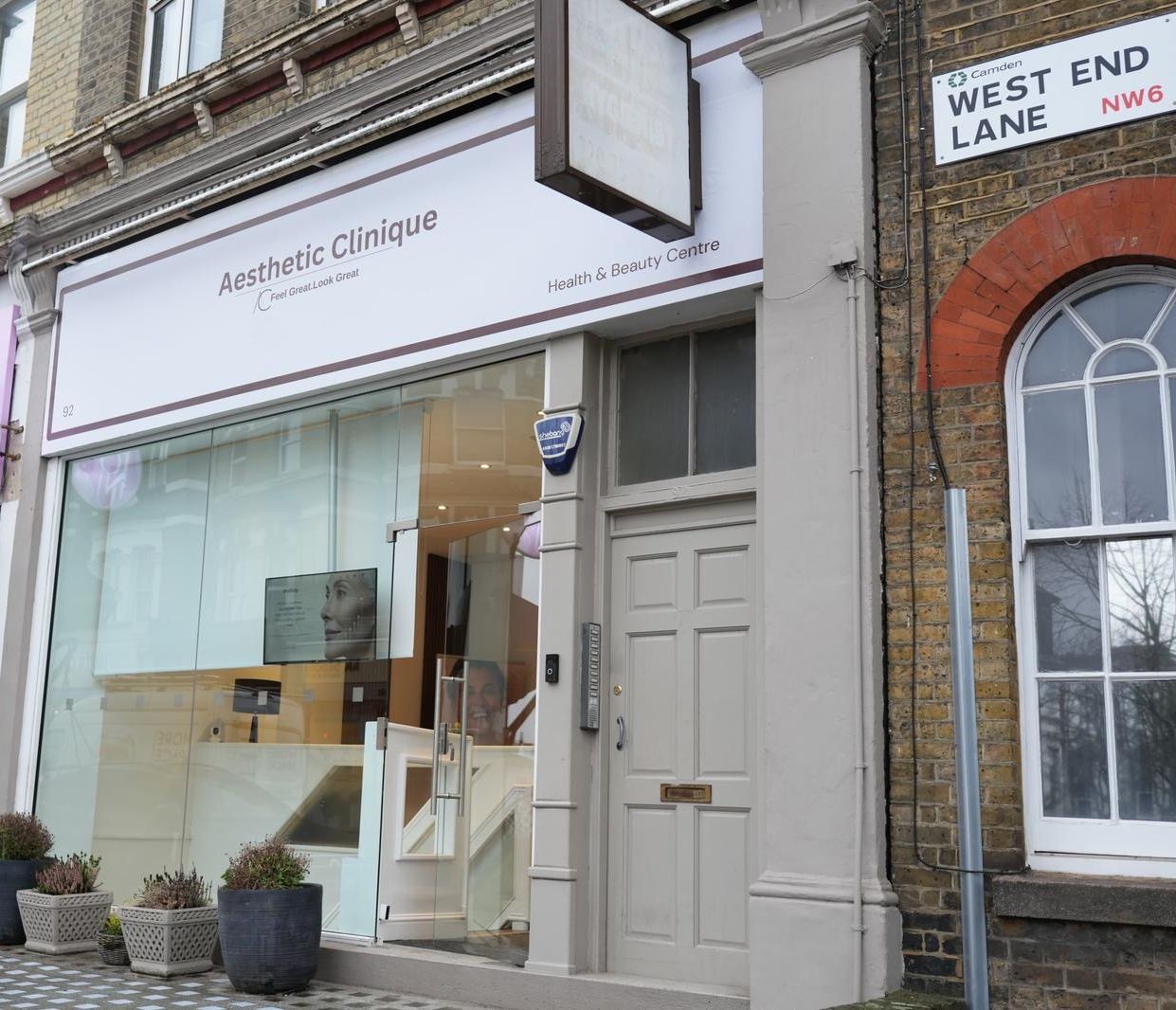
Book a private consultation with our team to discuss neck treatment in West Hampstead and decide together whether it is the right treatment for you.