Polynucleotides
Regenerative DNA-fragment injectables for skin repair, especially around the eyes.
Duration
45 min
From
£280/session
Treatment Summary
Polynucleotides are highly purified DNA fragments — derived from salmon or trout sperm DNA — that act as a regenerative scaffold in the dermis. They support fibroblast activity, hydration and tissue repair, and are particularly useful for the tear-trough area, post-acne skin and crepey neck skin. A typical course is three sessions, two to three weeks apart.
Also known as: PN treatment · salmon DNA injection · PDRN · regenerative injectable · polynucleotide skin booster
Key Benefits
Regenerative, Not Volumising
DNA fragments stimulate tissue repair and fibroblast activity rather than adding volume.
Tear-Trough Friendly
One of the few injectables suitable for thin, dark, crepey under-eye skin.
Anti-Inflammatory Effect
Useful for post-acne skin, redness-prone skin and post-inflammatory pigmentation context.
Compounding Improvement
Skin density, hydration and elasticity continue improving over the course.
What polynucleotides are
Polynucleotides are short fragments of purified DNA, derived from cold-water fish (salmon or trout) DNA and refined to medical-device grade. When injected into the dermis, they act as a regenerative scaffold: they signal fibroblasts to increase activity, support extracellular matrix repair, and modulate local inflammation. The pharmaceutical predecessor of these products — PDRN — has been used for decades in tissue repair, including ulcer healing and ophthalmology.
In aesthetic medicine, polynucleotides are valued for one specific superpower: they improve skin biology without adding volume. That makes them one of the few injectables genuinely suitable for thin, crepey under-eye skin where filler is the wrong tool.
What they do well
Polynucleotides are particularly useful for:
- Periorbital skin — thin, crepey or dark under-eye skin that needs regeneration rather than volume
- Post-acne skin — dullness, residual textural change and a generally tired skin quality after acne has settled
- Crepey neck and décolletage — early laxity and quality loss
- Reactive or sensitive skin — the anti-inflammatory effect is genuinely useful here
- Skin recovery after laser or needling courses — they support repair phase quality
Mechanism
The DNA fragments act through several routes: direct stimulation of fibroblast activity, modulation of local inflammation, support of microcirculation and a 'sponge' effect that helps maintain hydration. Crucially, polynucleotides do not occupy space the way hyaluronic acid filler does — they are absorbed and replaced by the patient's own remodelled tissue over weeks to months.
Who suits the treatment
Polynucleotides suit adults from late 20s through 60s with concerns around skin quality rather than structural change. They are particularly worth discussing if you have considered tear-trough filler but been told you are not a candidate (because your under-eye skin is too thin, too dark or too crepey for filler to look natural). They are also useful for clients with sensitive skin who do not tolerate more aggressive resurfacing.
They are not appropriate during pregnancy or breastfeeding, in clients with known fish/seafood allergy where the manufacturer specifies caution, or where there is active infection or significant bleeding-disorder risk.
What to expect
After a consultation and topical anaesthetic, we deliver the polynucleotide gel via small bolus or linear threading injections at the targeted area. Periorbital treatment takes around 20 minutes; full-face slightly longer. Small swelling at injection points is normal and settles within hours. Bruising is more likely around the eyes — usually faint, but worth planning around social events.
Results timeline
Most clients notice improved hydration and quieter skin within 1–2 weeks of the first session. Density, tone and texture improvements develop over the course and continue for several weeks after the third session. We assess results 4–6 weeks after session three.
Maintenance
Maintenance is typically a single session every 6–9 months. Many clients alternate polynucleotides with Profhilo as part of an ongoing skin-quality programme, and we plan that sequence carefully rather than stacking treatments without rationale.
What to Expect
- 1
Consultation and Mapping
We confirm polynucleotides are right for your concern — particularly versus tear-trough filler — and map injection points.
- 2
Numbing
Topical anaesthetic is applied for 15–20 minutes, especially for periorbital treatment.
- 3
Micro-Injections
Small bolus or linear threading injections deliver the polynucleotide gel to the targeted dermis.
- 4
Course of Three
Sessions are repeated every 2–3 weeks for a course of three, with maintenance every 6–9 months.
Suitability
Aesthetic care is highly individual. The points below are general guidance — final suitability for polynucleotides is always confirmed in your consultation.
Often suitable for
- Thin, crepey or dark under-eye skin where filler is not appropriate
- Post-acne skin quality, residual marks and dull texture
- Crepey or thinning skin on the neck and décolletage
- Clients with sensitive or reactive skin who want regenerative effect
- Skin quality maintenance after a course of laser or needling
May not be suitable if
- Significant tear-trough hollowing requiring volume (consider filler)
- Active periorbital infection, conjunctivitis or facial herpes outbreak
- Pregnancy or breastfeeding
- Known allergy to fish or fish-derived products
- Bleeding disorders or ongoing anticoagulant therapy without medical clearance
Aftercare
Caring for your results
A few simple steps in the first 24–48 hours help your results settle as expected.
- Avoid make-up over injection points for 12 hours
- Use cold compresses gently if tear-trough swelling is bothersome
- Avoid strenuous exercise, saunas and alcohol for 24 hours
- Sleep slightly elevated the first night after periorbital treatment
- Bruising is more common around the eyes — book around social events accordingly
Treatment Areas
- Tear Trough
- Periorbital Area
- Face
- Neck
- Décolletage
Polynucleotides are CE-marked medical devices used widely in European regenerative aesthetics, with their pharmaceutical ancestor (PDRN) holding decades of evidence in tissue repair, ulcer healing and ophthalmology. Clinical studies in aesthetic use show improvements in skin elasticity, dermal density and periorbital skin quality over a three-session course, with strong tolerability.
Frequently Asked Questions
What are polynucleotides made from?
Are polynucleotides the same as filler?
Are they safe under the eyes?
How does it compare to Profhilo?
How many sessions will I need?
When will I see results?
Is there downtime?
Explore the Category
More Skin Quality and Collagen Stimulation treatments
Browse other services available in skin quality and collagen stimulation. A consultation will help determine which option, if any, is appropriate for you.
-
Profhilo
Bio-remodelling injectable that hydrates and firms skin from within — without adding volume.
-
Sunekos
Amino acid + hyaluronic acid skin booster for lower face, eyes and neck.
-
Teoxane Baby Glow
Mesotox Glass Skin Treatment is a skin rejuvenation procedure which improves the skin texture, refine pores, and enhance overall radiance. Designed to create the coveted “glass skin” effect, the treat
Ready to take the next step?
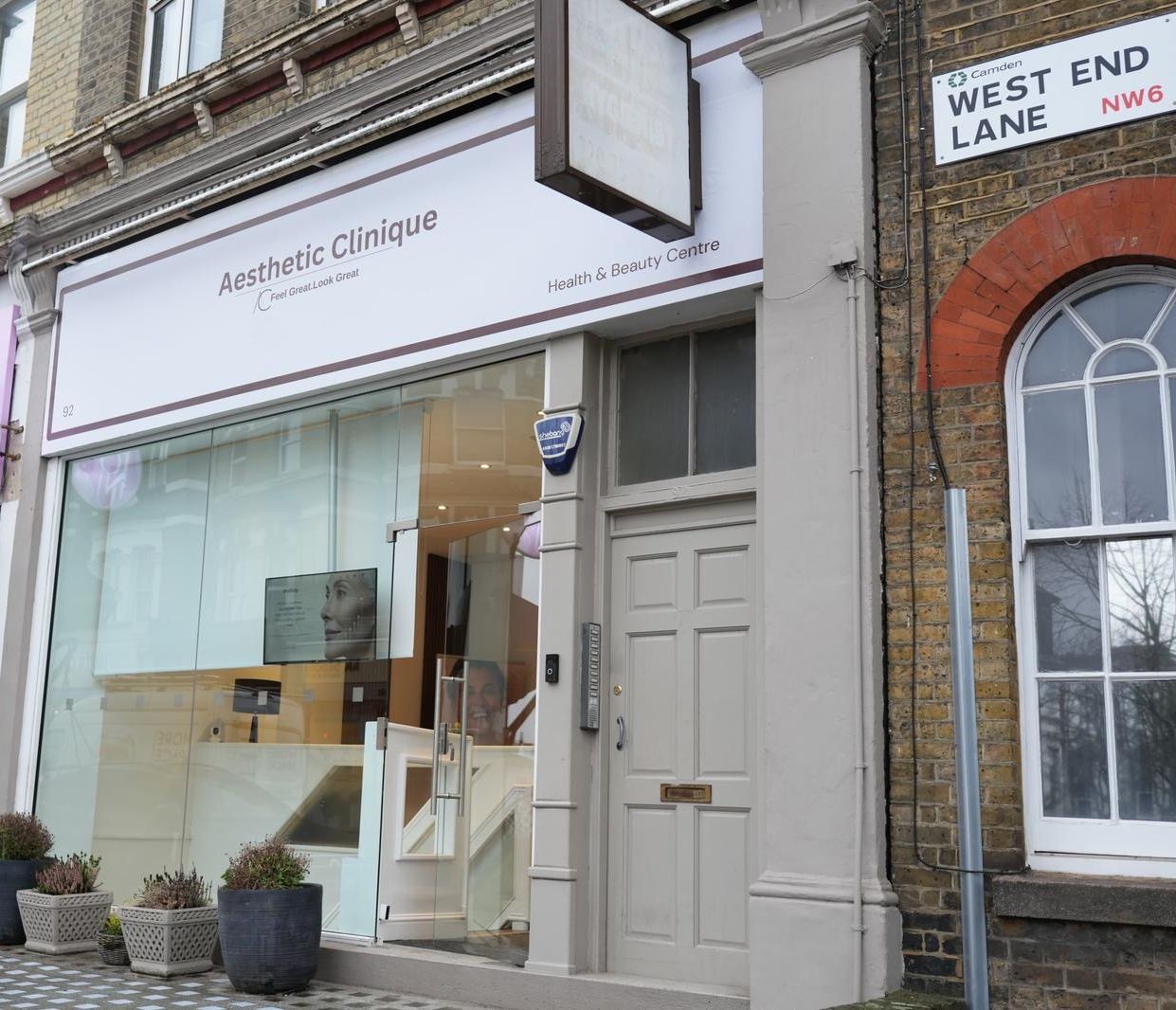
Book a private consultation with our team to discuss polynucleotides in West Hampstead and decide together whether it is the right treatment for you.