Microneedling
Medical-grade collagen induction for texture, scarring and skin quality.
Duration
60 min
From
£250/session
£250–£380 for face, neck and décolletage combinations.
Treatment Summary
Medical-grade microneedling — typically using SkinPen or equivalent CE-marked devices — creates controlled vertical microchannels in the skin. These channels trigger a wound-healing response that drives collagen and elastin production, improving texture, fine lines, pore size, scarring and overall skin quality. A typical course is 3–4 sessions spaced 4 weeks apart.
Also known as: collagen induction therapy · SkinPen · CIT · skin needling · medical microneedling
Key Benefits
Genuine Collagen Response
Vertical microchannels trigger fibroblast activation and new collagen and elastin over weeks.
Effective for Acne Scars
One of the best-evidenced treatments for atrophic acne scarring across skin types.
Suits All Fitzpatrick Types
Mechanical, not light-based — appropriate for darker skin tones where some lasers are not.
Combines with PRP and Exosomes
Microchannels improve absorption of regenerative serums applied during and after treatment.
What microneedling is
Microneedling — properly called collagen induction therapy — is the controlled creation of vertical microchannels in the skin using a medical-grade device with single-use sterile needle cartridges. These microchannels trigger the body's wound-healing response: fibroblasts activate, new collagen (types I and III) is laid down, and the skin remodels itself over the following 8–12 weeks.
We use SkinPen or an equivalent CE-marked device. Home rollers and unbranded 'pens' are not the same treatment.
What it treats well
Microneedling is one of the most versatile and best-evidenced collagen-induction tools we have. It is particularly useful for:
- Atrophic acne scars — rolling and boxcar scars respond particularly well over a course
- Texture and pore size
- Fine lines and early laxity
- Stretch marks and surgical scars in suitable cases
- Skin quality across all Fitzpatrick types, including skin tones where many lasers are unsafe
It is also one of the few collagen-induction treatments suitable for darker skin without elevated post-inflammatory pigmentation risk, because the mechanism is mechanical rather than energy-based.
How depth is chosen
We tailor needle depth to the indication: superficial passes (0.5 mm) for general skin quality and around the eyes, deeper passes (1.5–2.0 mm) for atrophic acne scarring and stretch marks. Treating one face often involves several depths in different zones — bonier areas tolerate less, scarred areas need more.
What happens on the day
After a thorough cleanse and 30–45 minutes of topical anaesthetic, the microneedling device is passed across the treatment area in a controlled, overlapping pattern. The treatment itself takes 20–30 minutes. We finish with a calming hyaluronic acid or growth factor serum, mineral SPF and detailed aftercare.
Combination with PRP
Combining microneedling with platelet-rich plasma (PRP) is one of the most evidence-supported uses of PRP. The platelet-derived growth factors are absorbed through the microchannels and amplify the regenerative response — particularly useful for acne scars and clients seeking faster collagen response. We discuss whether the combination is worth the additional cost based on your concern.
Recovery
Skin looks pink and feels tight for 24–48 hours, often with light flaking by day 3–4. Mineral SPF from day one is non-negotiable. Most clients return to work the next day with mineral make-up if needed; some prefer a Friday treatment for weekend recovery.
Results timeline
Initial 'glow' is visible within a few days as the skin heals. The collagen response builds over 4–8 weeks per session. Full results from a course are usually assessed at 8–12 weeks after the final session.
Course and maintenance
Most clients have a course of 3–4 sessions, four weeks apart, with maintenance one or two sessions per year. Acne-scarring courses are usually 4–6 sessions, sometimes layered with peels or PRP. We plan the course at consultation rather than upselling session by session.
What to Expect
- 1
Skin Assessment
We confirm microneedling suits your concern and check for contraindications such as active acne or recent isotretinoin use.
- 2
Cleanse and Numb
Skin is thoroughly cleansed and topical anaesthetic is applied for 30–45 minutes.
- 3
Microneedling Pass
The device is passed across the skin at a depth tailored to area and concern (commonly 0.5–2.0 mm).
- 4
Calming Serums and SPF
We finish with a hyaluronic acid or growth factor serum, mineral SPF and aftercare instructions.
Suitability
Aesthetic care is highly individual. The points below are general guidance — final suitability for microneedling is always confirmed in your consultation.
Often suitable for
- Atrophic acne scars (rolling and boxcar in particular)
- Open pores and uneven texture
- Fine lines and early skin laxity
- Dullness and tired skin quality
- All Fitzpatrick skin types, including darker tones
May not be suitable if
- Active acne, eczema, psoriasis or rosacea flare in the treatment area
- Active herpes simplex outbreak or untreated infection
- Use of oral isotretinoin in the previous 6 months
- History of keloid or hypertrophic scarring
- Pregnancy or breastfeeding
Aftercare
Caring for your results
A few simple steps in the first 24–48 hours help your results settle as expected.
- Skin will look pink/sunburnt for 24–48 hours; mild flaking by day 3–4
- Use only the post-procedure skincare we recommend for 5 days
- Avoid retinoids, acids and exfoliants for 5–7 days
- Avoid make-up for 24 hours; mineral SPF every day from day one
- Avoid direct sun and saunas for 1 week; rigorous SPF for 4 weeks
Treatment Areas
- Face
- Neck
- Décolletage
- Hands
Medical-grade microneedling devices such as SkinPen are FDA-cleared and CE-marked for collagen induction therapy. Peer-reviewed evidence supports efficacy for atrophic acne scarring, photoageing and texture, and the mechanical mechanism makes it well-tolerated across Fitzpatrick I–VI when delivered with appropriate technique. Combination with PRP is also well-evidenced.
Frequently Asked Questions
Is microneedling the same as derma-rolling at home?
How many sessions do I need?
Is it painful?
How long is the downtime?
Can it be combined with PRP?
Is microneedling safe in darker skin?
Can I do microneedling if I have active acne?
Explore the Category
More Skin Rejuvenation treatments
Browse other services available in skin rejuvenation. A consultation will help determine which option, if any, is appropriate for you.
Ready to take the next step?
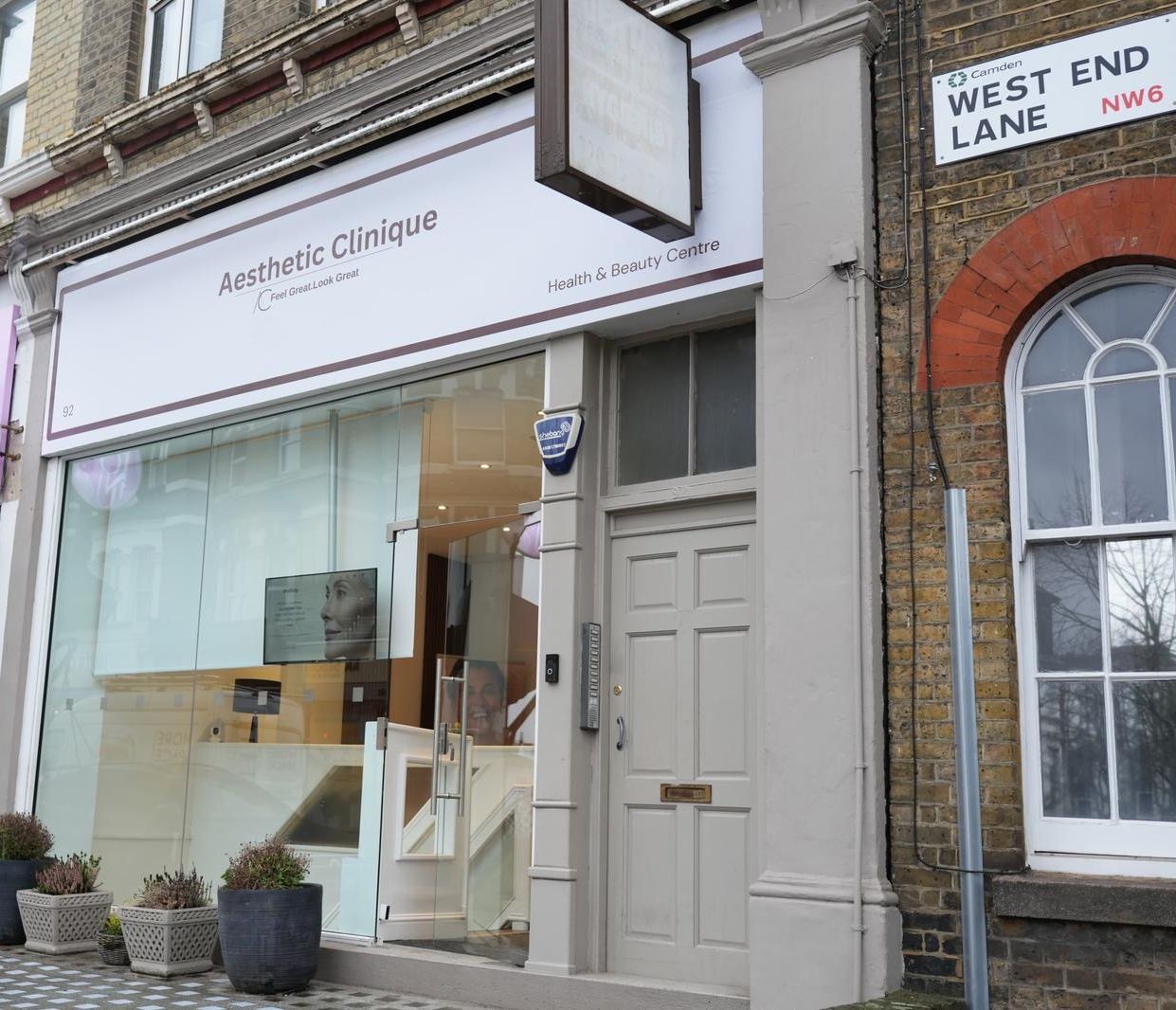
Book a private consultation with our team to discuss microneedling in West Hampstead and decide together whether it is the right treatment for you.