
Deep Cleansing and Skin Renewal
Clinical solutions for melasma, pigmentation, acne marks, congestion and uneven skin — combining laser, peels, medical-grade skincare and minor procedures.
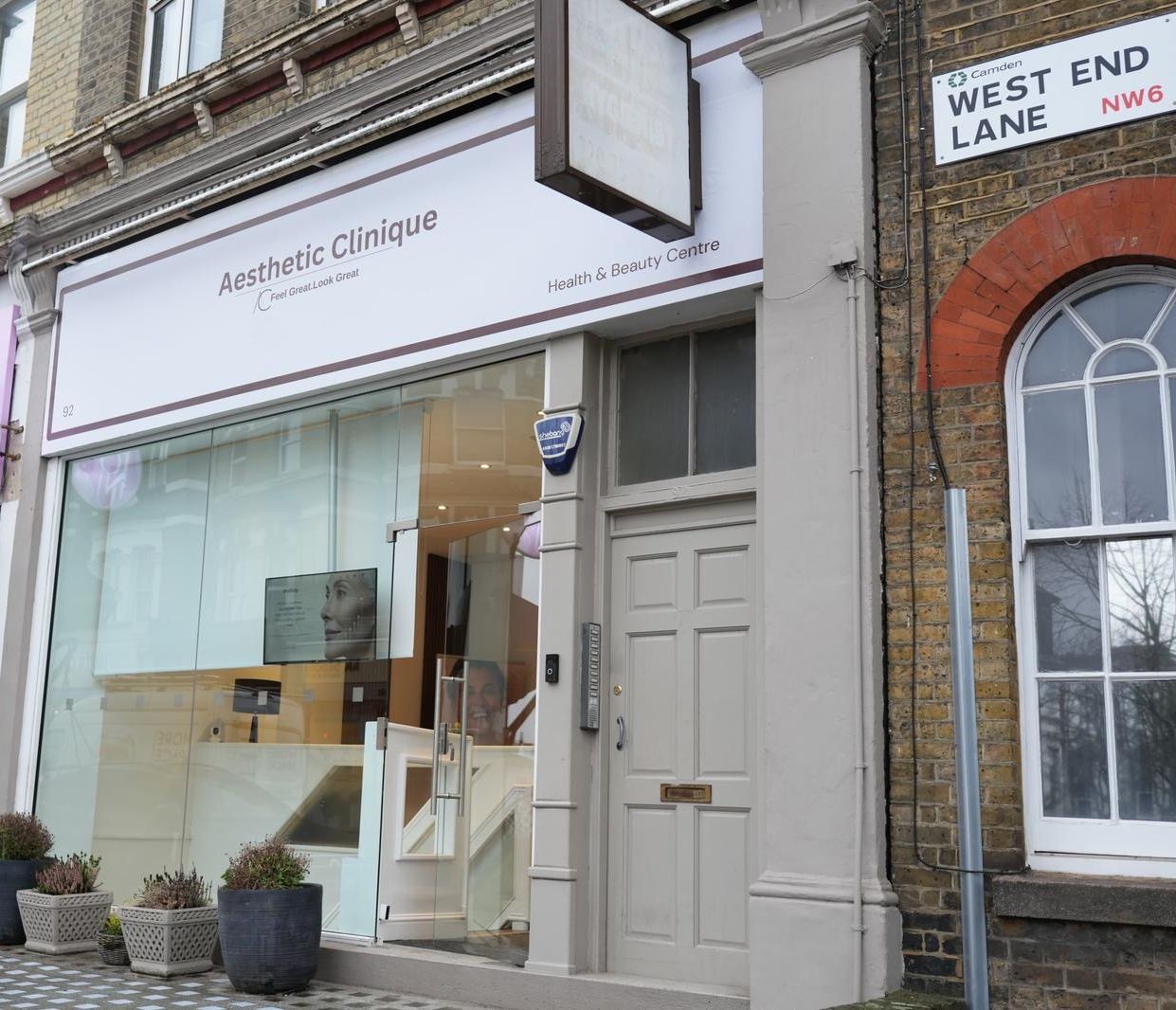
Overview
Understanding Deep Cleansing and Skin Renewal
Most skin concerns we see — pigmentation, melasma, acne marks, congestion, sun damage, uneven tone — respond best to combinations rather than single treatments. This category brings together the depigmentation systems (Cosmelan), medical-grade skincare programmes (Obagi), in-clinic procedures (chemical peels, carbon laser peel, deep cleansing facials) and minor surgical procedures (skin tag removal) we use to address them. We plan combinations against your skin type, history of sun exposure and treatment goals — not by upselling.
Our Deep Cleansing and Skin Renewal Treatments
Combination Strategy
Most skin concerns benefit from in-clinic plus medical-grade home care.
Skin-Type Aware
We tailor depth, agent choice and aftercare to Fitzpatrick type and history.
Realistic Timelines
Pigmentation and texture change over weeks. We plan for that, not against it.
Sun-Safe Aftercare
SPF and pigment-friendly aftercare is built into every plan.
Who It's For
Is this category right for you?
The clients who benefit most from deep cleansing and skin renewal typically share one or more of these goals.
- Melasma, sun-induced pigmentation or hormonal dark patches
- Acne scars, post-inflammatory marks or uneven texture
- Dull, congested or rough skin that hasn't responded to over-the-counter products
- Visible skin tags, milia or minor benign skin lesions
- Long-term skin maintenance with medical-grade home routines
- Pre-event 'glow' treatments timed correctly into a skincare programme
Why we treat skin imperfections in combinations
Pigmentation and texture concerns rarely have a single cause. Sun exposure, hormones, inflammation, skincare habits and skin barrier function all contribute. The treatments that work best are usually combinations that address multiple drivers at once — for example, a depigmentation peel to reset the surface, a medical-grade home programme to maintain it, conservative procedural treatment to handle resistant patches, and SPF discipline forever after.
We plan combinations against your skin: skin type, history of sun exposure, hormonal context, lifestyle, and how much downtime you can take in any given month.
What we treat
- Melasma — typically with Cosmelan and ongoing Obagi maintenance, plus strict SPF.
- Sun-induced pigmentation — Obagi Nu-Derm, peels, occasional carbon laser peel.
- Post-inflammatory pigmentation (post-acne marks) — gentle peels, targeted skincare, microneedling once active inflammation is controlled.
- Acne scarring — microneedling, peels and combination treatment over a course.
- Congestion and rough texture — deep cleansing facials, peels, microneedling.
- Dullness — Obagi Radiance, light peels, mesotherapy and the right home routine.
- Skin tags and small benign lesions — minor in-clinic removal where appropriate.
What we don't treat
We do not treat skin lesions where there is any clinical concern about their nature. Pigmented moles, lesions that have changed in size, shape or colour, or anything that bleeds spontaneously will be referred to a dermatologist for proper assessment before any cosmetic discussion. This is non-negotiable.
What good looks like
A successful skin programme for pigmentation typically delivers visible improvement at 4–8 weeks, with most of the pigment resolution at 12–16 weeks, and maintenance for months and years afterwards. There are no overnight cures for chronic skin issues — but there are excellent, durable improvements when you commit to the right combination, take SPF seriously and have realistic timelines.
If you are weighing options for melasma, persistent acne marks or stubborn pigmentation, book a consultation and we will plan a route — including doing less than you arrived asking for if that fits your skin better.
FAQs
Deep Cleansing and Skin Renewal — questions we are asked most
Will Cosmelan or skin treatment fully remove melasma?
What is the difference between Cosmelan and Obagi?
Can darker skin tones be treated safely?
How long is recovery from a chemical peel?
Are skin tags removed in a single visit?
How important is SPF after these treatments?
Speak to our clinical team
Every deep cleansing and skin renewal plan begins with a private consultation in West Hampstead. We will review your goals, assess suitability and recommend the smallest effective intervention.