
Cosmetic Micropigmentation
Refined semi-permanent micropigmentation for brows and lips — gentle pigment placement that enhances rather than draws attention.
Overview
Understanding Cosmetic Micropigmentation
Cosmetic micropigmentation deposits tiny amounts of pigment into the upper layers of the skin to mimic the appearance of fine hair-strokes (eyebrows) or refined definition (lips). Unlike traditional tattooing, the pigments are designed to fade gradually over 1–3 years and the technique is much shallower. Done well, the result is invisibly natural — you should look like yourself, not made-up. Done poorly, the work is obvious and difficult to remove. Practitioner skill matters more here than almost anywhere else in aesthetics.
Natural Technique
Hair-stroke or soft powder brows; lip blush rather than tattoo lipstick.
Gradual Fade
Pigment is designed to soften over time — never a permanent commitment.
Bespoke Design
Shape, colour and density are mapped to your features and natural pigmentation.
Two-Stage Process
Initial session plus a top-up at 6–8 weeks ensures even, lasting result.
Who It's For
Is this category right for you?
The clients who benefit most from cosmetic micropigmentation typically share one or more of these goals.
- Sparse, over-plucked or asymmetric eyebrows
- Pale, faded or undefined lip borders
- Clients who want to wake up 'finished' without daily makeup
- Hair loss or alopecia affecting the brow area
- Post-medical reasons (chemotherapy, scarring, vitiligo)
- Clients with stable, healthy skin and realistic expectations
Two areas, four techniques
In this category we focus on brows and lips — the two areas where well-executed semi-permanent makeup makes the biggest day-to-day difference. Within those, we use different techniques for different goals:
- Hair-stroke brows — fine individual strokes in the direction of natural hair growth, for a natural, slightly textured finish.
- Powder brows — soft shading that mimics a softly filled-in brow, denser than hair-stroke, beautiful for clients who want defined makeup look without daily product.
- Combination brows — hair-stroke at the front, powder at the tail, for a natural-to-defined gradient.
- Lip blush — gentle pigment across the entire lip to refine border, restore lost colour and enhance shape — never to look like lipstick.
Your consultation includes shape mapping (drawing the proposed brows on your face with brow pencil, multiple times, until you are happy) and colour mapping (matched to skin undertone and natural hair).
What good cosmetic micropigmentation looks like
The benchmark is simple: someone who doesn't know you have had it should not be able to tell. Your brows should look slightly fuller and tidier, your lips slightly more defined and rosy — no obvious lines, no flat blocks of colour, no warm or cool drift.
Achieving that benchmark depends on technique, pigment selection, and being willing to do less than the client may have arrived asking for. We routinely talk clients out of going as bold as they had imagined, because the version that looks great on day one often looks strong by month three.
Aftercare and longevity
The first 7–14 days are critical. Detailed written aftercare is provided — keeping the area clean and dry where required, applying a recommended balm, avoiding makeup, sun exposure, swimming and intense exercise on the area, and not picking at flaking skin. We follow up at six to eight weeks to assess healing and complete the top-up session.
Pigment fades gradually thereafter. Most clients refresh between 18 months and 3 years; some prefer to let the work fade out completely and reassess.
FAQs
Cosmetic Micropigmentation — questions we are asked most
How long does cosmetic micropigmentation last?
Will it look 'tattooed' or harsh?
Is cosmetic micropigmentation painful?
Why are two sessions needed?
Can old or unwanted micropigmentation be corrected?
When can I not have micropigmentation?
Speak to our clinical team
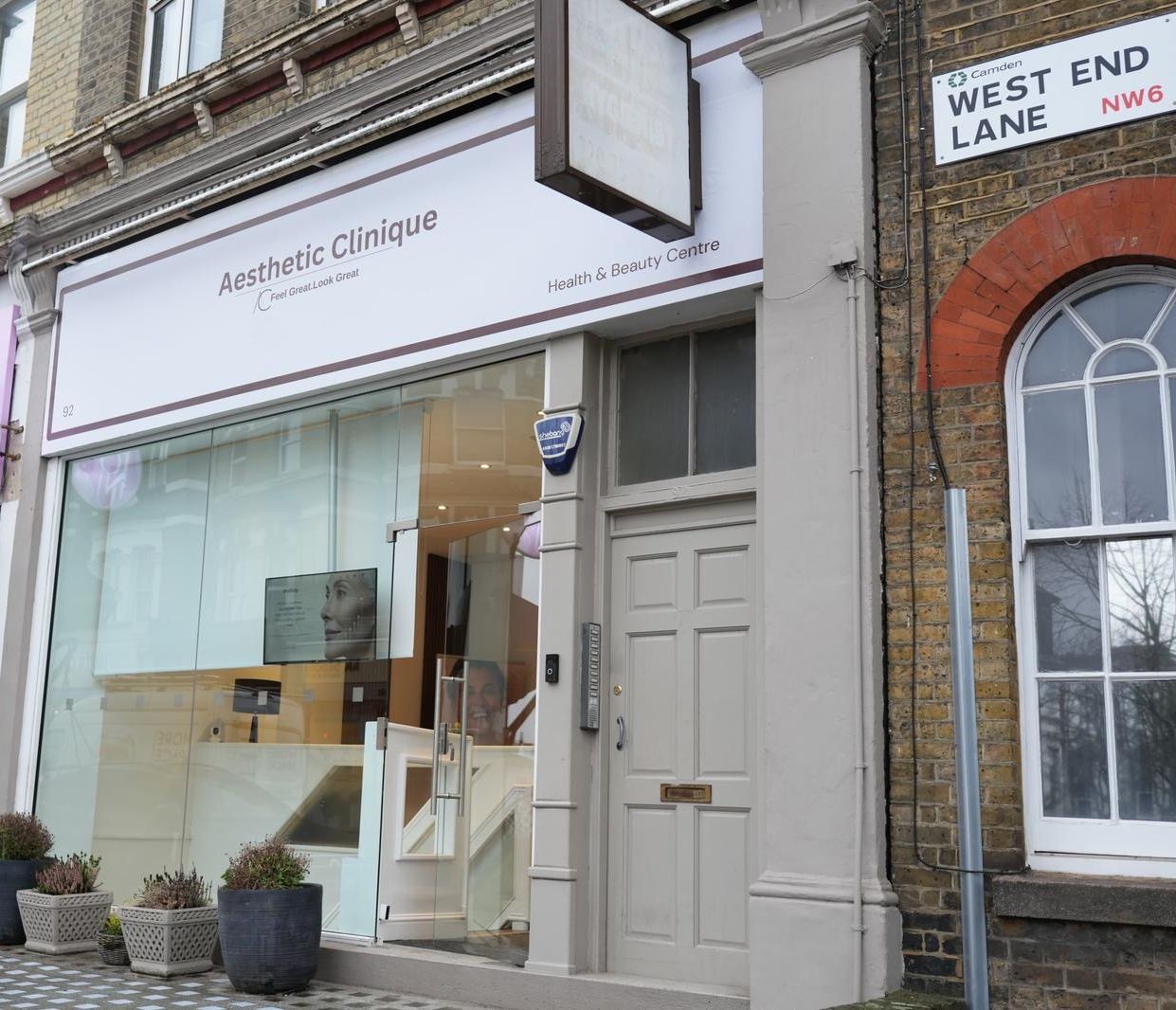
Every cosmetic micropigmentation plan begins with a private consultation in West Hampstead. We will review your goals, assess suitability and recommend the smallest effective intervention.