
Micropigmentation Eyebrows
Hair-stroke, powder or combination brows — bespoke shape and colour, two-stage technique.
Duration
210 min
From
£350
Includes initial session and 6–8 week top-up.
Treatment Summary
Eyebrow micropigmentation deposits very small amounts of pigment into the upper layers of the skin to mimic the appearance of fine hair-strokes (hair-stroke), softly filled brows (powder) or a natural-to-defined gradient (combination). Pigment is designed to fade gradually over 1–3 years rather than to be permanent. The treatment is delivered as a two-stage process: an initial session establishing shape, colour and density, and a top-up at 6–8 weeks to correct uneven retention. Both sessions are part of the same treatment fee.
Also known as: semi-permanent brows · permanent makeup brows · powder brows · hair-stroke brows · combination brows · ombre brows · microblading alternative
Key Benefits
Three Techniques
Hair-stroke, powder or combination — chosen to your features and preference.
Bespoke Shape Mapping
Drawn on your face with brow pencil, multiple times, until you are happy.
Two-Stage Result
Initial session plus 6–8 week top-up corrects uneven retention and finalises shape.
Gradual Fade
Pigment is designed to soften over 1–3 years rather than being permanent.
Three techniques, one principle: less is more
We use three techniques for the brow:
- Hair-stroke — fine individual strokes drawn in the direction of natural hair growth, for a subtle, textured finish that reads as denser real brows.
- Powder — soft shading that mimics a softly filled-in brow, more defined than hair-stroke and a beautiful option for clients who like a finished brow look without daily product.
- Combination — hair-stroke at the front, powder at the tail, for a natural-to-defined gradient. Often the best option for someone who wants the natural feel of hair-stroke with a touch more density.
The right technique is set by your skin type, brow density, lifestyle and preference. Oilier skin tends to hold powder better than fine hair-strokes. Drier skin holds hair-stroke beautifully. We will recommend at consultation rather than let you choose blind.
The principle, across all three: less is more. The version that looks great on day one often looks too strong by month three. We routinely talk clients out of going as bold as they had imagined.
Shape mapping is the most important step
Before any pigment touches the skin, we draw your proposed brows on your face with brow pencil — multiple times — until you confirm the shape. We map to your bone structure, eye shape and natural pigmentation. We will not begin treatment until you are genuinely happy with the drawn shape, even if that means rescheduling.
Two-stage treatment
Skin heals individually — some areas hold pigment more strongly than others. The two-stage protocol is essential to a good result:
- Initial session — establishes shape, colour and density across roughly 90–120 minutes including numbing time.
- 6–8 week top-up — assesses healing and refines areas where pigment has held unevenly. Final shape and density are set here.
Both sessions are part of the same treatment fee.
Aftercare for retention
The first 7–14 days are critical. Pigment retention depends on healing without disruption:
- Keep brows dry for the first 24 hours; thereafter clean gently as directed
- Apply the recommended balm sparingly
- Avoid makeup on the brow area until fully healed (10–14 days)
- Avoid swimming, saunas, intense exercise and sunbathing for 14 days
- Do not pick at flaking skin — pulling flakes pulls pigment with them
We provide written aftercare and follow up at six to eight weeks for the top-up.
Longevity
Most clients refresh between 18 months and 3 years. Lifespan depends on skin type, sun exposure and individual healing. SPF 50 on the brow area once healed meaningfully extends pigment life. Some clients prefer to let the work fade out completely after a few years and reassess; others book a refresh before significant fade. Both are reasonable choices.
When we say no
We will not treat during pregnancy or breastfeeding, on actively inflamed skin, in keloid-prone clients, during isotretinoin therapy, or where the requested look would not produce a good result on the client's specific features. We say no readily when needed.
What to Expect
- 1
Consultation & Shape Mapping
Skin and pigment colour assessment; brow shape drawn with pencil and refined until you confirm — typically 30–45 minutes alone.
- 2
Initial Pigmentation Session
Topical anaesthetic; pigment placed in the upper skin layers using fine technique, hair-stroke or powder, depending on the chosen finish (typically 90–120 minutes total).
- 3
Healing Period
First 7–14 days are critical for pigment retention — detailed written aftercare provided.
- 4
Top-Up at 6–8 Weeks
Healing assessed; areas where pigment hasn't held are refined; final shape and density are set.
Suitability
Aesthetic care is highly individual. The points below are general guidance — final suitability for micropigmentation eyebrows is always confirmed in your consultation.
Often suitable for
- Sparse, over-plucked or asymmetric eyebrows
- Hair loss or alopecia affecting the brow area
- Post-medical reasons (chemotherapy, scarring, vitiligo)
- Clients who want defined brows without daily makeup
- Mature clients who find brow makeup harder to apply consistently
May not be suitable if
- Pregnancy and breastfeeding
- Active skin conditions on the brow area (eczema, psoriasis, herpes outbreak)
- Keloid-prone skin or clotting disorders
- During or shortly after isotretinoin treatment
- Clients seeking a very bold or 'tattooed' look — we work toward natural enhancement
Aftercare
Caring for your results
A few simple steps in the first 24–48 hours help your results settle as expected.
- Keep brows dry for the first 24 hours; thereafter clean gently as instructed
- Apply the recommended balm sparingly as directed
- Avoid makeup on the brow area until fully healed (10–14 days)
- Avoid swimming, saunas, intense exercise and sunbathing for 14 days
- Do not pick or scratch flaking skin — pulling flakes pulls pigment with them
- SPF 50 on the brow area once healed to support pigment longevity
Treatment Areas
- Eyebrows
Cosmetic micropigmentation deposits pigment in the superficial dermis at a depth designed to fade gradually rather than become permanent. Outcomes depend strongly on technique (depth, pattern, pigment selection), skin type and aftercare compliance. Two-stage protocols (initial plus top-up) reliably outperform single-session work for evenness of result.
Frequently Asked Questions
Hair-stroke, powder or combination — which is right for me?
How long does it last?
Why is the top-up needed?
Will it look 'tattooed' or harsh?
Is it the same as microblading?
Does it hurt?
Can previous bad work be corrected?
Related Treatments
You might also consider
Other treatments often paired with micropigmentation eyebrows or considered as alternatives.
Ready to take the next step?
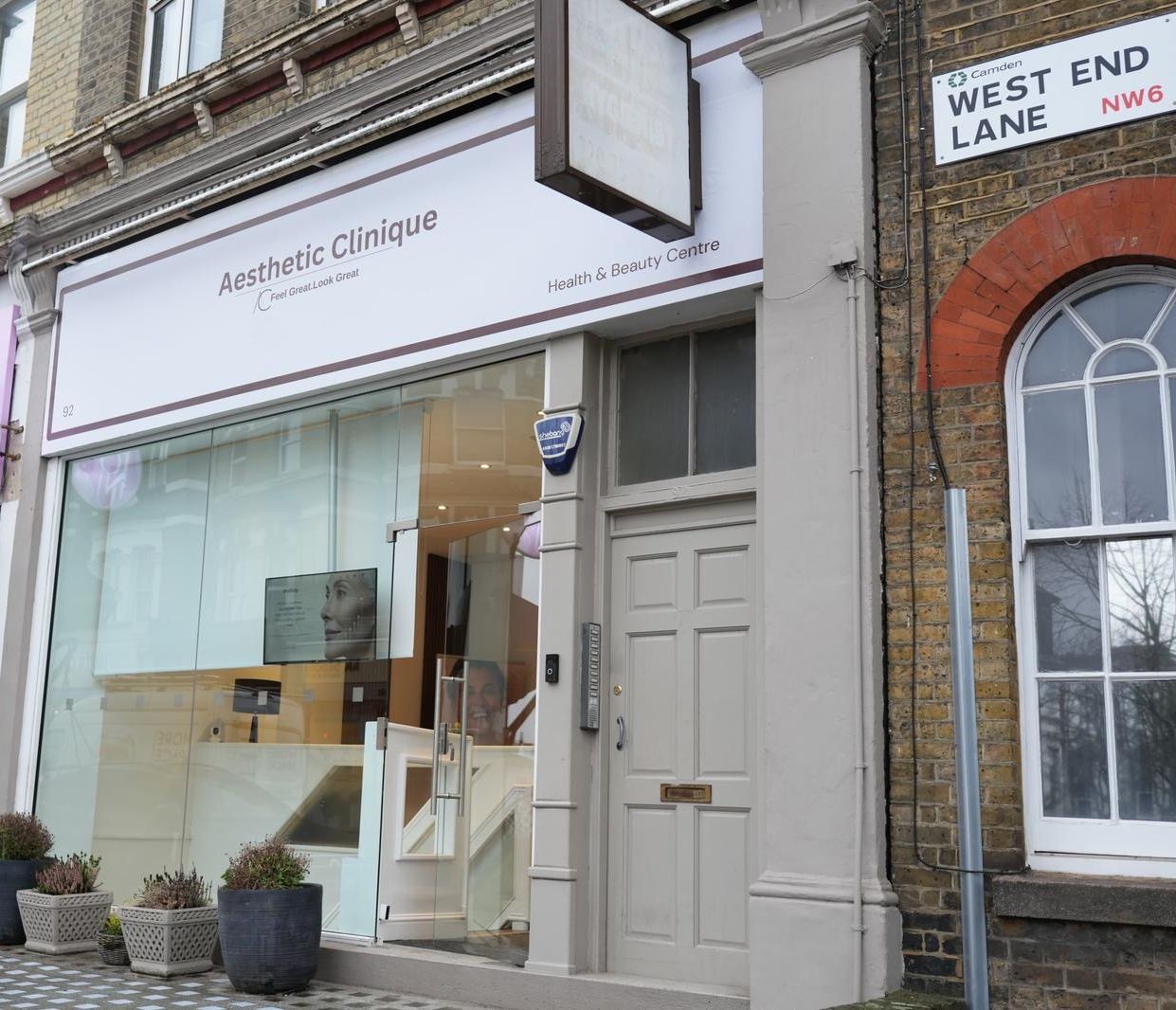
Book a private consultation with our team to discuss micropigmentation eyebrows in West Hampstead and decide together whether it is the right treatment for you.