Hair Growth Treatment
Evidence-based hair restoration treatments — PRP, exosomes and laser therapy — supporting scalp health and visibly denser hair over a structured course.
Overview
Understanding Hair Growth Treatment
Hair thinning is multi-factorial — genetic predisposition, hormones, nutrition, stress and scalp health all matter. Our hair treatments target the scalp environment and follicle health using PRP (platelet-rich plasma drawn from your own blood), exosome therapy (regenerative signalling molecules), and laser hair therapy. They work best as a planned course alongside investigation of underlying causes — and they work better in early-to-moderate thinning than in long-established baldness.
Our Hair Growth Treatment Treatments
Investigate First
We rule out reversible causes (thyroid, iron, vitamin D, stress) before injecting.
Course-Based
Hair treatments are programmes, not one-offs. Realistic timelines are essential.
Honest Candidacy
We treat early-to-moderate thinning. Established baldness is best handled differently.
Combinable
Works alongside topical/oral medical management for stronger results.
Who It's For
Is this category right for you?
The clients who benefit most from hair growth treatment typically share one or more of these goals.
- Early-stage androgenetic (genetic) hair thinning in men or women
- Post-pregnancy or post-illness telogen shedding
- Diffuse thinning rather than full bald patches
- Maintenance after a hair transplant
- Clients with healthy general health committed to a course of 3–6+ sessions
- Combination with medical management (minoxidil, finasteride where appropriate)
What we treat — and what we won't
Our hair treatments are for early-to-moderate thinning where there is still a reasonable density of follicles capable of responding. They are not a substitute for hair transplant in advanced baldness, and they are not a magic fix for genetic hair loss in isolation — the best results come from combining scalp regeneration with the medical management that has the strongest evidence base.
If your concern is sudden, patchy hair loss (alopecia areata), severe scalp inflammation or anything that doesn't fit a typical thinning pattern, we will refer you for dermatological assessment before any cosmetic treatment.
Treatments we offer
- PRP (Platelet-Rich Plasma) — your own platelets, concentrated from a small blood draw, injected into the scalp to support follicle health.
- Exosomes — regenerative signalling molecules used in scalp injections to encourage follicular activity.
- Laser Hair Therapy — low-level laser application as an adjunctive maintenance tool.
The full clinical detail, including pricing and course structure, is on each individual treatment page.
How we plan a hair programme
A first appointment is a consultation, not a treatment. We:
- Take a hair-loss history and review timing (sudden vs gradual, post-illness, post-pregnancy, hormonal context).
- Examine your scalp and assess pattern and severity.
- Discuss whether bloodwork (thyroid, ferritin, vitamin D, hormones) would be useful — sometimes investigating reversible causes saves you from injectable treatment altogether.
- Recommend a treatment plan: which combination, how many sessions, what maintenance, and the role of medical management.
- Set realistic expectations: reduced shedding within weeks, density improvement over months.
If a transplant is the right answer for your stage, we will say so and refer onwards.
Maintenance matters
Hair regeneration is a long game. Initial improvement is followed by maintenance — typically a top-up session every 4–6 months — to sustain results. Stopping entirely usually means gradual return to baseline thinning over 12 months. We are honest about this from day one so you can choose whether to start a programme that suits the long term.
FAQs
Hair Growth Treatment — questions we are asked most
Do PRP and exosome treatments actually work?
Should I have PRP or exosomes?
How many sessions will I need?
Will I need to take medication too?
Is laser hair therapy effective on its own?
Is hair regeneration painful or has downtime?
Speak to our clinical team
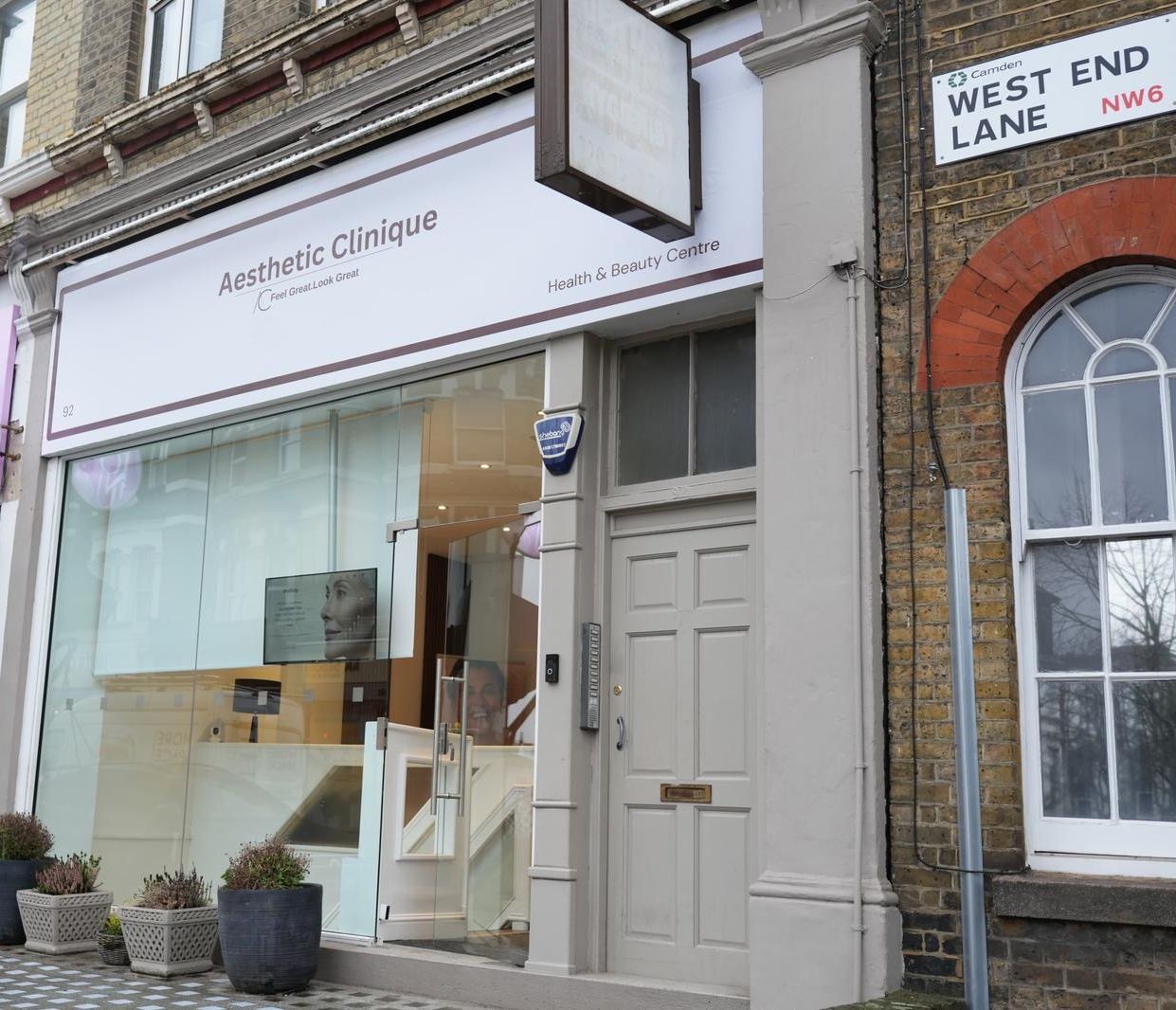
Every hair growth treatment plan begins with a private consultation in West Hampstead. We will review your goals, assess suitability and recommend the smallest effective intervention.