
PRP Scalp Treatment
Platelet-rich plasma from your own blood, injected into the scalp to support follicle health.
Duration
60 min
From
£300
Treatment Summary
Platelet-rich plasma (PRP) therapy uses concentrated platelets from your own blood — drawn at the appointment, spun in a clinical centrifuge — and reintroduced into the scalp to support follicle activity in early-to-moderate androgenetic thinning. Results are gradual: reduced shedding first, then density and quality improvements over 4–6 months. PRP is delivered as a course of 3–6 sessions and works meaningfully better when paired with appropriate medical management (minoxidil, finasteride where indicated).
Also known as: platelet-rich plasma hair · autologous PRP scalp · PRP for hair loss · PRP hair regeneration
Key Benefits
Your Own Biology
Concentrated platelets from your own blood — no synthetic compounds.
Reduces Shedding
Often the first visible effect, within 4–8 weeks of starting a course.
Course-Based Plan
3–6 monthly sessions, with maintenance every 4–6 months.
Combines With Medical Care
Stronger results when paired with topical or oral therapy where appropriate.
What PRP for hair is
PRP (platelet-rich plasma) is your own blood, processed. A small venous sample is drawn at the start of the appointment and spun in a closed-system centrifuge to separate the platelet-rich plasma layer — concentrated platelets in plasma, rich in growth factors. That preparation is then injected into the affected zones of the scalp using fine needles, supporting the follicular environment.
PRP is one of the most established regenerative options for early-to-moderate androgenetic (genetic) hair thinning. It works by improving the local environment for existing follicles rather than by creating new ones — which is why it works better when there are still meaningful numbers of follicles to support, and less well in advanced baldness.
Who suits this treatment
PRP suits adults with:
- Early-to-moderate genetic thinning patterns (Norwood I–IV in men, Ludwig I–II in women)
- Post-pregnancy or post-illness telogen shedding
- Diffuse thinning where follicle density is reduced but not absent
- Maintenance after a hair transplant
- Willingness to commit to a 3–6 session course and maintenance
It is not appropriate in advanced baldness (consider transplant), in active scalp inflammation or infection, in pregnancy or breastfeeding, in bleeding/clotting disorders, or where reversible causes haven't been excluded.
Investigate first, inject second
Hair thinning is often multi-factorial. Iron deficiency, untreated thyroid disease, vitamin D deficiency, perimenopausal hormonal change, severe stress and certain medications can all contribute or dominate. We will recommend bloodwork at consultation where the pattern suggests it — sometimes addressing a reversible cause is the answer, and we would rather find that out before charging you for a course of PRP that won't fix the underlying problem.
What happens on the day
The session is around an hour:
- Blood draw — a single venous sample, like a routine blood test.
- Centrifuge — the sample is processed in a sterile closed-system kit while topical anaesthetic numbs the scalp.
- Injection — the PRP is injected into the affected zones using fine needles, with the option of microneedling delivery in selected cases.
- Aftercare — written advice, no hair washing for 6–12 hours, no intense exercise for 24 hours.
Course structure and timeline
The standard plan is 3–6 monthly sessions, with maintenance every 4–6 months thereafter. Reduced shedding is usually the first noticeable change at 4–8 weeks; visible density improvement typically arrives at months 4–6 and continues to mature.
PRP works better alongside medical management. We are honest about this. Topical minoxidil and (where appropriate) oral finasteride for men have the strongest evidence base for androgenetic alopecia; PRP adds meaningfully to their effect rather than replacing them. We will discuss medical management openly at consultation and prescribe or refer within scope.
Honest expectations
Hair regeneration is a long game. PRP is one of the most established options within it, but it is not magic — and it works much better when paired with the medical foundation that has the strongest evidence. Expect a course, expect maintenance, expect the meaningful change at month four to six, and expect to keep going if you want to keep the result.
What to Expect
- 1
Hair-Loss Assessment
Pattern, severity and reversible-cause review (thyroid, ferritin, vitamin D, hormones) — we will recommend bloodwork before injection where appropriate.
- 2
Blood Draw & Centrifuge
A small venous blood sample is drawn and spun in a closed-system centrifuge to separate the platelet-rich layer.
- 3
Scalp Injection
Topical anaesthetic; the PRP is injected into the affected zones using fine needles or microneedling, typically 20–30 minutes.
- 4
Course & Maintenance
Repeat at 4–6 week intervals for 3–6 sessions, then maintenance every 4–6 months. Visible density change typically by months 4–6.
Suitability
Aesthetic care is highly individual. The points below are general guidance — final suitability for prp scalp treatment is always confirmed in your consultation.
Often suitable for
- Early-to-moderate androgenetic thinning in men or women
- Post-pregnancy or post-illness telogen shedding
- Diffuse thinning rather than full bald patches
- Maintenance after a hair transplant
- Clients prepared to commit to a 3–6 session course with maintenance
May not be suitable if
- Established advanced baldness — PRP cannot grow follicles where none remain
- Active scalp infection, dermatitis or significant inflammation over treatment area
- Bleeding or clotting disorders, or anticoagulant therapy without clearance
- Pregnancy and breastfeeding
- Untreated reversible causes (low ferritin, untreated thyroid disease) — investigate first
Aftercare
Caring for your results
A few simple steps in the first 24–48 hours help your results settle as expected.
- Do not wash the hair for 6–12 hours after treatment
- Avoid intense exercise, swimming and saunas for 24 hours
- Avoid alcohol on the day of treatment to limit bruising
- Mild scalp tenderness and pinprick redness for 24 hours is normal
- Resume topical minoxidil and other scalp treatments after 24 hours unless advised otherwise
Treatment Areas
- Crown
- Hairline / temples
- Mid-scalp
- Diffuse thinning zones
PRP has reasonable randomised-trial evidence for hair density improvement in early-to-moderate androgenetic alopecia, particularly when delivered as a course and paired with medical management. Effect size is meaningful but variable, and PRP works less well in advanced baldness where follicle reserves are limited.
Frequently Asked Questions
Does PRP actually work?
How is PRP different from exosomes?
How many sessions will I need?
Should I also be on minoxidil or finasteride?
Is PRP painful?
When will I see results?
What happens if I stop?
Ready to take the next step?
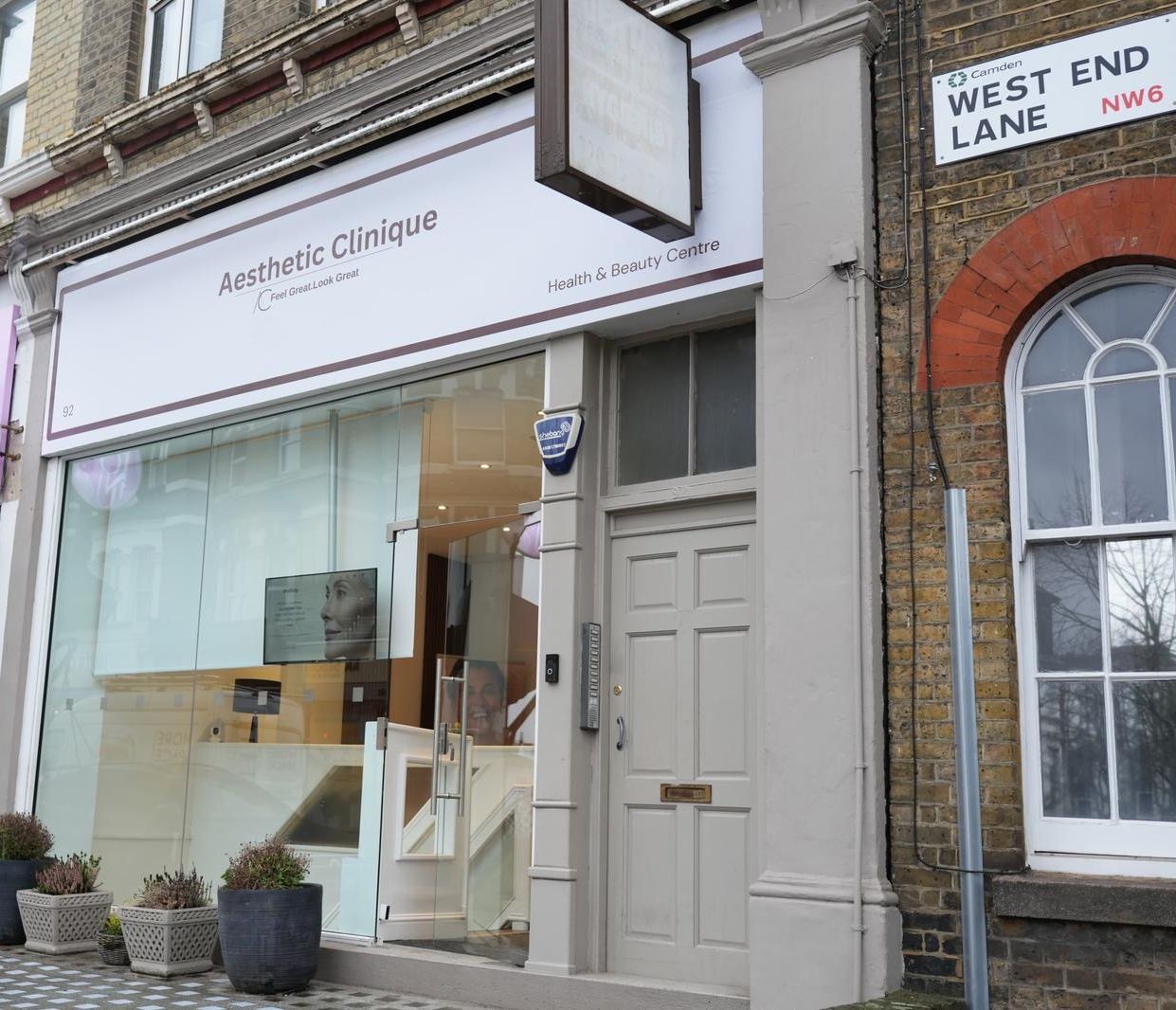
Book a private consultation with our team to discuss prp scalp treatment in West Hampstead and decide together whether it is the right treatment for you.