
Cheek filler
Mid-face support and contour — restoring volume that ageing has taken away.
Duration
45 min
From
£350
Treatment Summary
Hyaluronic-acid cheek filler placed deep on the bone to restore mid-face volume, support the lower face, and re-establish the natural contour of the cheekbone. Treatment is planned to your own anatomy and ageing pattern — not to chase a trend or template — and uses MHRA-regulated HA filler for a result that lifts the face subtly and ages well. Fully reversible with hyaluronidase.
Also known as: cheek filler London · midface filler · cheekbone filler · non-surgical cheek lift · hyaluronic acid cheek augmentation
Key Benefits
Mid-Face Support
Replaces volume in the deep cheek fat compartments that empty with age, lifting the lower face.
Softens Nasolabial Folds
Treating the cheek often does more for nasolabial folds than treating the folds directly.
Long-Lasting Result
Cheek filler typically lasts 12–18 months — the longest-lasting filler area we treat.
Reversible & Regulated
MHRA-regulated HA filler, fully dissolvable with hyaluronidase if required.
Why mid-face matters
The cheek is the structural keystone of the face. Volume held high in the cheek supports the lower eyelid, projects the mid-face forward, and tents the skin of the cheek and jawline upward. As we age, the deep medial cheek fat compartments — and the bone they sit on — both lose volume. The visible result is a flatter mid-face, shadows under the eyes, deeper nasolabial folds, and a face that begins to settle downward.
Cheek filler is a precise tool for this specific anatomical change. Done well, it lifts the lower face, softens the nasolabial fold, and refreshes the under-eye area without anyone identifying that anything has been "done".
What cheek filler is — and isn't
Cheek filler is volume restoration, not surgical lifting. It cannot meaningfully address heavy skin laxity, deep static jowls, or significant lower-face descent — these often require surgical or skin-tightening intervention. It also is not the right treatment for anyone seeking a strongly sculpted, high-projecting "model cheekbone" look on a face that does not naturally have that bone structure. We design treatment around your face, not around an aesthetic borrowed from social media.
How we plan cheek treatment
In consultation we assess three things: bone projection (your underlying structure), volume loss (how empty the deep fat compartments are), and skin quality (how the overlying tissue will respond to support). We then decide where to place filler — deep on bone for projection, into the deep medial cheek for support, or laterally for contour — and how much. Most first treatments use 1–2ml in total. We always prefer to review and add at two weeks rather than treat to maximum volume in one session.
On the day at Aesthetic Clinique
A cheek appointment takes around 40 minutes including numbing, marking and treatment. We use a blunt cannula wherever possible — it reduces bruising and significantly lowers vascular risk. Filler is placed in small, controlled boluses on the periosteum (bone surface) or into the deep cheek fat. You will see results immediately, with a small amount of swelling for 24–48 hours.
Longevity and follow-up
Cheek filler is one of the longest-lasting HA areas — typically 12–18 months — because the area moves less and the product used is firmer. Most clients return for a small maintenance dose at 12–18 months rather than a full repeat treatment. Cheek work combines naturally with chin and jawline filler for clients addressing overall lower-face proportion, and with subtle tear-trough treatment in suitable candidates.
What to Expect
- 1
Anatomical Assessment
We assess mid-face volume loss, bone projection, skin laxity and the way your face moves on smiling. Cheek treatment is planned in three dimensions — projection, lift and contour.
- 2
Marking & Numbing
Specific entry points are marked on the cheek. Topical anaesthetic is applied. Cheek treatment is generally well tolerated and dental blocks are rarely needed.
- 3
Deep Placement on Bone
Filler is placed in small boluses directly onto the cheekbone (supraperiosteal) and into the deep medial cheek fat — typically using a blunt cannula to reduce bruising and vascular risk.
- 4
Review at Two Weeks
We see you back at two weeks to assess settling and lift, and decide whether further volume in any specific compartment is appropriate. Top-ups are planned, not assumed.
Suitability
Aesthetic care is highly individual. The points below are general guidance — final suitability for cheek filler is always confirmed in your consultation.
Often suitable for
- Restoring age-related mid-face volume loss
- Softening nasolabial folds via mid-face support
- Subtle cheekbone definition in clients with naturally flatter projection
- Lifting the appearance of the lower face without surgery
- Clients who feel they look 'tired' rather than 'lined'
May not be suitable if
- Anyone wanting an exaggerated, sculpted 'Instagram cheek'
- Significant skin laxity that would benefit more from skin-tightening or surgery
- Pregnancy or breastfeeding
- Active skin infection over the cheek area
- Clients with previous filler placed superficially that has not been dissolved
Aftercare
Caring for your results
A few simple steps in the first 24–48 hours help your results settle as expected.
- Avoid pressing or massaging the cheeks for 48 hours
- Skip strenuous exercise, alcohol and saunas for 24–48 hours
- Sleep on your back for the first two nights to avoid displacement
- Avoid facial treatments and dental work for one week
- Use mineral SPF and avoid intense heat for 48 hours
- Mild bruising and tenderness for up to a week is normal
Treatment Areas
- Upper Cheek
- Mid Cheek
- Lateral Cheek
- Cheekbone
We use only MHRA-regulated, hyaluronic-acid fillers from established manufacturers, selecting firmer products in the HA family designed specifically for deep, supraperiosteal placement on bone. HA filler is fully reversible with hyaluronidase. We do not use permanent or biostimulator products in clients seeking pure HA filler — biostimulators (Sculptra, Radiesse) are discussed separately as a different category of treatment.
Frequently Asked Questions
How much cheek filler will I need?
How long do cheek fillers last?
Will cheek filler give me a 'pillow face' look?
Can cheek filler help with nasolabial folds?
Is the treatment painful?
What is the difference between cheek filler and a thread lift?
Can I have cheek filler if I have had Sculptra or Radiesse?
Related Treatments
You might also consider
Other treatments often paired with cheek filler or considered as alternatives.
Ready to take the next step?
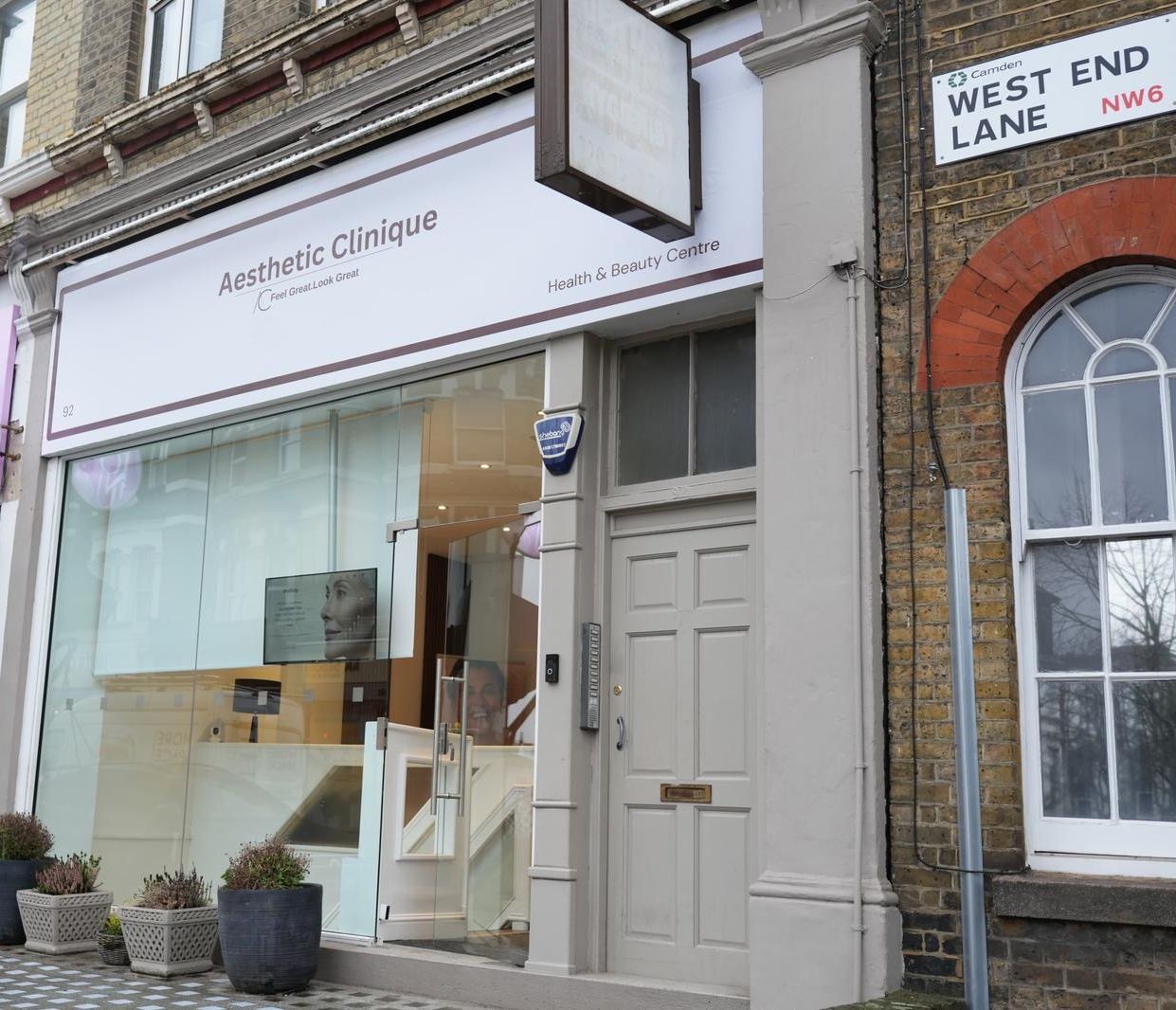
Book a private consultation with our team to discuss cheek filler in West Hampstead and decide together whether it is the right treatment for you.