
Nasolabial folds
Soften nose-to-mouth lines — most often by treating the cheek, not the fold itself.
Duration
45 min
From
£350
Treatment Summary
Hyaluronic-acid filler for nasolabial folds — the lines running from the base of the nose to the corners of the mouth. Treatment is rarely as simple as filling the fold itself: in most clients, mid-face volume loss is the underlying cause and supporting the cheek does more for the fold than direct injection. Where direct fold treatment is appropriate, we use refined HA placement to soften without flattening expression. Fully reversible with hyaluronidase.
Also known as: smile lines filler · nasolabial filler London · nose to mouth lines treatment · laugh lines filler · marionette and smile lines
Key Benefits
Two-Tier Approach
We address the cause (mid-face volume loss) before — or instead of — the fold itself.
Preserves Expression
Refined placement softens the static fold without flattening natural smile movement.
Long-Lasting Result
When mid-face support is the primary treatment, results typically last 12–18 months.
Reversible & Regulated
MHRA-regulated HA filler, fully dissolvable with hyaluronidase if required.
Why we treat the cause, not the line
The nasolabial fold is a natural anatomical division between the cheek and the upper lip. On a young face it is faint; with age, it deepens — not because the line itself has changed, but because the cheek above it has descended and emptied. Filling the fold directly to "smooth it out" is one of the most common mistakes in non-surgical aesthetics: it loads volume into the wrong tissue, flattens the cheek, and produces the over-filled look that ages badly and looks unnatural in photographs.
At Aesthetic Clinique we treat the cause first. For most clients, this means cheek filler — restoring volume to the deep mid-face fat compartments and lifting surrounding tissue. The fold softens from above, the smile retains its natural movement, and the result lasts longer than direct fold filling.
When direct fold treatment is appropriate
Direct nasolabial filler still has a role — but typically as a secondary treatment, after mid-face support, when a small residual static line remains. In these cases we use a softer HA product placed in a deeper plane via cannula, in small volumes, and we aim to soften the line rather than eliminate it. Complete elimination is unrealistic and unattractive: the fold is a normal feature of the face even at 25.
What this treatment cannot do
Nasolabial filler cannot fix folds caused primarily by significant skin laxity — those clients often need surgical assessment, skin tightening, or thread-lift consultation rather than filler. It cannot eliminate every line, particularly dynamic creasing on smiling. And it cannot deliver a youthful mid-face on a face that has lost substantial bone projection without addressing the underlying cause.
On the day at Aesthetic Clinique
A 40-minute appointment includes assessment, marking, numbing and treatment. Where mid-face support is the plan, filler is placed deep on bone in the cheek (see our cheek filler page for detail). Where direct fold treatment is appropriate, we use cannula technique through a single entry point per side. Most clients experience only mild bruising and minor swelling.
We always review at two weeks before deciding whether further treatment — direct fold work, additional cheek support, or no further treatment — is appropriate.
Longevity and combinations
Cheek-based nasolabial treatment typically lasts 12–18 months; direct fold treatment 9–12 months. The treatment combines naturally with marionette-line filler for clients addressing the full lower-face line pattern, and with subtle perioral or lip work where appropriate. We always prefer to add one targeted treatment at a time and review, rather than attempt a full lower-face refresh in a single session.
What to Expect
- 1
Cause Assessment
We assess whether the fold is driven by mid-face volume loss, skin laxity, or true static creasing — the answer determines treatment choice.
- 2
Plan: Cheek First, Fold If Needed
For most clients we recommend cheek filler as the first treatment. Direct fold filler may follow at the two-week review if a residual line remains.
- 3
Cannula Placement
When direct fold treatment is appropriate, soft HA filler is placed via cannula in a deeper plane to soften without overcorrecting. We avoid superficial placement, which causes lumpiness and migration.
- 4
Two-Week Review
We assess settling and decide whether further work — direct fold treatment, additional cheek support, or no further treatment — is appropriate.
Suitability
Aesthetic care is highly individual. The points below are general guidance — final suitability for nasolabial folds is always confirmed in your consultation.
Often suitable for
- Clients with deepening nasolabial folds caused by mid-face volume loss
- Static creasing visible at rest as well as when smiling
- Clients open to treating the cheek rather than the fold itself
- Combination with marionette-line treatment for full lower-face refresh
- Mild to moderate folds — deeper folds may need staged treatment
May not be suitable if
- Folds caused primarily by significant skin laxity — surgical assessment is more appropriate
- Very thin, sun-damaged skin where filler shows through superficially
- Clients seeking complete elimination of folds (unrealistic and ages poorly)
- Pregnancy or breastfeeding
- Active cold sores or perioral infection
Aftercare
Caring for your results
A few simple steps in the first 24–48 hours help your results settle as expected.
- Avoid pressing or massaging the area for 48 hours
- Skip strenuous exercise, alcohol and hot drinks for 24 hours
- Sleep on your back for the first two nights
- Avoid facials and dental work for one week
- Mild bruising for up to a week is common; small lumps usually settle within 2 weeks
- Use mineral SPF; avoid saunas and intense heat for 48 hours
Treatment Areas
- Nasolabial Folds
- Mid Cheek
- Pyriform Fossa
We use only MHRA-regulated, hyaluronic-acid fillers — selecting the product (firmer for deep cheek support, softer for direct fold placement) to suit the treatment plane. HA filler is fully reversible with hyaluronidase. Direct injection of overfilled, superficial filler into the nasolabial fold is one of the most common reasons clients arrive for dissolution.
Frequently Asked Questions
Why do you recommend cheek filler instead of treating the fold directly?
Can the fold be eliminated completely?
How much filler will I need?
How long do nasolabial filler results last?
Will my smile look different?
Is the procedure painful?
What if I have already had nasolabial filler that didn't settle well?
Related Treatments
You might also consider
Other treatments often paired with nasolabial folds or considered as alternatives.
Ready to take the next step?
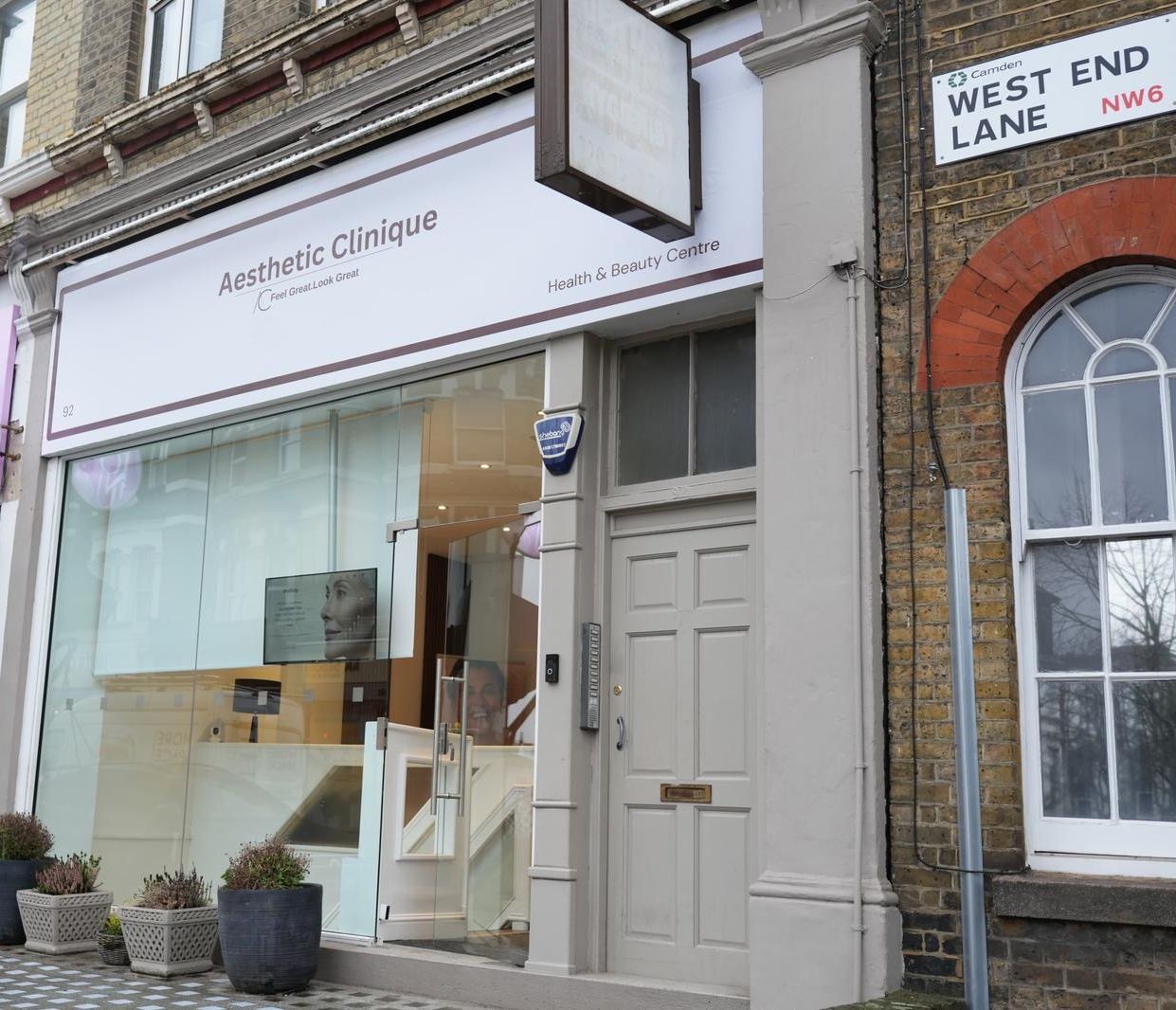
Book a private consultation with our team to discuss nasolabial folds in West Hampstead and decide together whether it is the right treatment for you.